

Diesel Pumps

Filter and sort
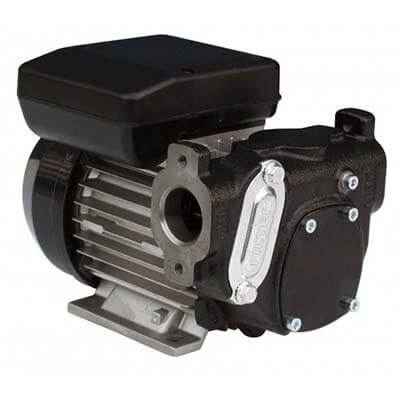
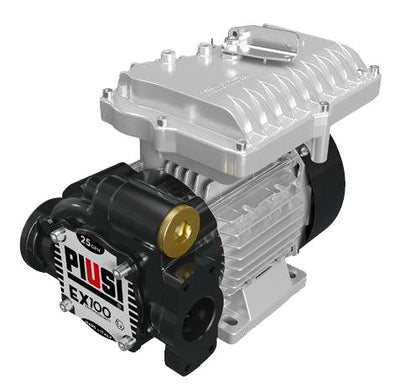
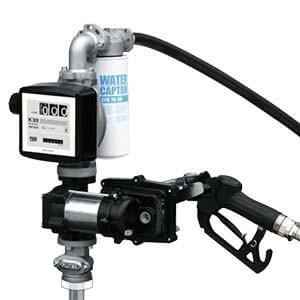
PIUSI diesel pumps for transferring fuel from bulk tanks, IBCs and drums into vehicles, plant and machinery. The range covers 12V and 24V DC pumps for utes, trailers and remote sites, 240V AC pumps for fixed tank installations and workshops, and hand-operated pumps for sites with no power at all.
Every pump is genuine PIUSI, manufactured in Italy and supplied with full manufacturer warranty support. Free shipping Australia wide, dispatched from our Narangba warehouse.
How to choose a diesel transfer pump
Three things decide which pump suits your site: the power you have available, the flow rate you need, and how long the pump runs in one go.
1. Power supply
This is the first fork in the road. A DC pump runs off a battery, which makes it portable and independent of mains power. An AC pump plugs into 240V and is built for fixed installations where the pump stays in one place and runs longer cycles. If you are weighing the two up, our guide on AC vs DC diesel pumps walks through the trade-offs in detail.
2. Flow rate
Flow rate is measured in litres per minute (lpm) and it sets your refuelling time. Divide the volume you typically dispense by the flow rate to get a realistic estimate. A 200 litre fill at 56 lpm takes around four minutes; the same fill at 85 lpm takes under two and a half. Longer hose runs, suction lift and filtration all reduce real-world flow below the rated figure, so allow some headroom rather than sizing to the exact number.
3. Duty cycle
Duty cycle is how long a pump can run continuously before it needs to cool. Occasional ute refuelling and continuous depot dispensing are very different jobs. Undersizing here is the most common reason a pump fails early, so match the rating to your heaviest day, not your average one.
The PIUSI diesel pump range
12V diesel pumps
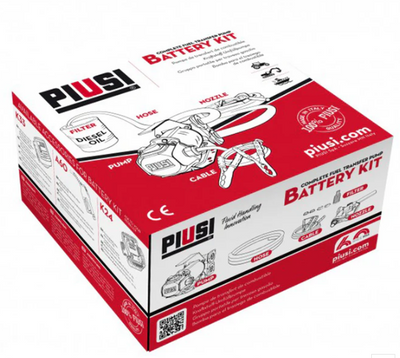
The workhorse choice for farm utes, service trailers, tanker modules and remote refuelling. A 12V diesel pump wires straight to a vehicle or standalone battery, so it works anywhere you can drive. Models in this range run from around 45 lpm up to 85 lpm, and several are available as complete battery kits with nozzle, hose, suction tube and meter included.
24V diesel pumps
The same portability as 12V, matched to trucks, heavy machinery and plant running 24V electrical systems. Worth checking your vehicle's system voltage before ordering, as running a pump on the wrong voltage will either underperform or damage the motor.
240V diesel pumps
Built for fixed tanks, workshops, depots and fuel farms where mains power is available. A 240V diesel pump handles longer run times and higher volumes than a DC equivalent, with models spanning roughly 56 lpm through to 550 lpm for high-throughput sites. This part of the range also includes all-in-one cube units and lockable cabinet systems that bundle the pump, meter, hose and automatic nozzle into a single wall-mounted or tank-mounted station.
Hand-operated pumps
No power, no battery, no moving electrical parts. Rotary hand pumps suit low-volume transfer, backup duty and drum decanting, and they will keep working through a flat battery or a site power outage.
Pump only or complete kit?
A bare pump is the right call when you already have a nozzle, hose and meter, or when you are replacing a failed unit in an existing setup. A kit is usually better value and far less hassle for a new installation, because the components are matched on flow rate and thread size out of the box. Mismatched fittings between a pump and an undersized hose are a common cause of disappointing real-world flow.
Frequently asked questions
What is the difference between an AC and a DC diesel pump?
A DC pump runs on battery power (12V or 24V) and is designed to be portable and used in bursts. An AC pump runs on 240V mains and is designed for fixed installation and longer continuous run times. Sites with mains power and a permanent tank generally choose AC; mobile, remote and vehicle-mounted applications choose DC.
Are PIUSI diesel pumps self-priming?
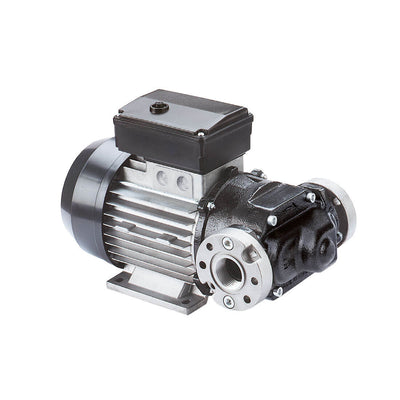
Most of the electric diesel pumps in this range are self-priming rotary vane pumps, which means they can draw fuel up from a tank below the pump without being manually filled first. Check the specification on the individual product page, and note that running any vane pump dry will shorten its life.
Can I use a diesel pump for AdBlue?
No. AdBlue is corrosive to standard pump components and crystallises on contact with air, which contaminates the system permanently. AdBlue needs dedicated equipment with compatible seals and materials. See our AdBlue range for pumps, nozzles, meters and IBC kits built for the job.
Can I use a diesel pump for petrol?
Standard diesel transfer pumps are not suitable for petrol or other flammable fuels. Petrol requires explosion-protected equipment rated for hazardous areas. Talk to our team before pumping anything other than diesel so we can point you to the right unit.
What flow rate do I actually need?
For a single ute or light vehicle, 45 to 56 lpm is usually plenty. For fleet yards, agricultural machinery and larger tanks, 70 to 100 lpm cuts standing time noticeably. Above that, high-volume pumps suit bulk transfer between tanks rather than nozzle refuelling.
Need help choosing?
Our team installs, calibrates and supports this equipment every day. If you are unsure which pump suits your tank, vehicle or site, call 1300 987 789 or email sales@piusishop.com.au and we will spec it with you.
Featured Products